Saturday, January 18, 2025

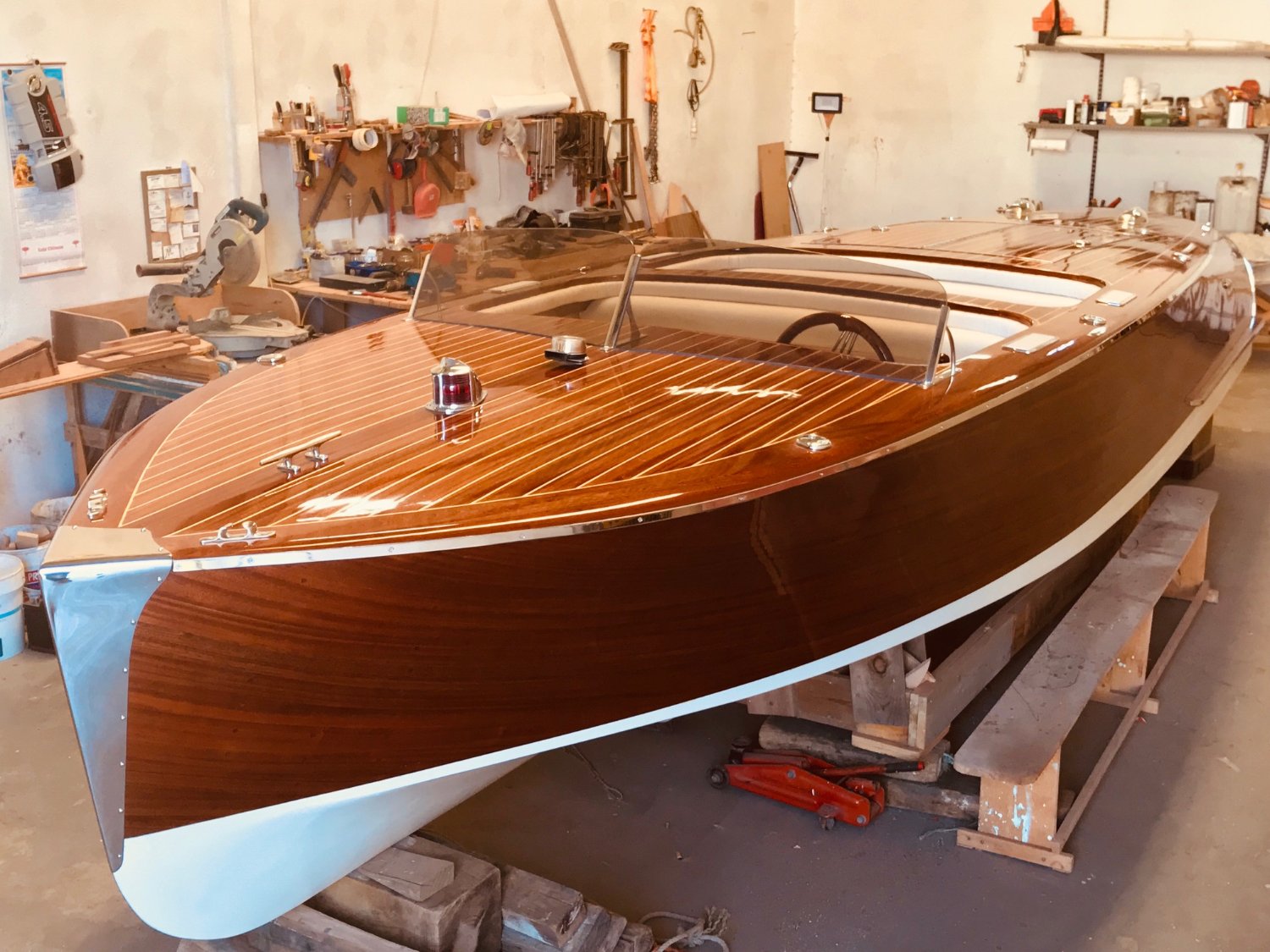
Duck Boat Plans for Crafting a Versatile, All-Weather Craft

Beyond the Pond: Unveiling New Frontiers in Duck Boat Design

Duck boats â€" those amphibious marvels designed for navigating both land and water â€" have long captivated builders and enthusiasts alike. But beyond the familiar designs and readily available plans, lies a wealth of untapped potential. This article delves into less-explored aspects of duck boat construction, offering fresh perspectives for hobbyists, professionals, and educational institutions.

Rethinking Materials: Beyond the Traditional

Most duck boat plans rely on traditional materials like wood and fiberglass. But what about exploring alternatives?

Q: Can sustainable and recycled materials be effectively integrated into duck boat construction?

A: Absolutely! Research into using recycled plastics (like HDPE) or sustainably harvested bamboo for specific components offers both ecological and structural advantages. HDPE, for example, is incredibly durable and resistant to rot and impacts, potentially reducing long-term maintenance. Bamboo, while requiring careful treatment to resist moisture, offers exceptional strength-to-weight ratios. The challenge lies in understanding the specific properties of these materials and adapting existing joinery techniques. Furthermore, lifecycle assessments comparing the environmental impact of different materials are crucial for informed decision-making (refer to studies on lifecycle analysis of composite materials in the Journal of Cleaner Production).

Q: How can we optimize material selection for specific environmental conditions?

A: Traditional designs often overlook regional variations. A duck boat built for the harsh Alaskan winter requires different material choices than one intended for calm Florida waters. For example, incorporating specialized coatings to enhance resistance to UV degradation in sunny climates or using materials with superior cold-weather flexibility in colder regions are crucial considerations. This requires a deeper understanding of material science and regional environmental factors.

Innovative Propulsion Systems: Beyond the Outboard

The trusty outboard motor is a staple, but innovation awaits.

Q: Could electric or hybrid propulsion systems find a niche in duck boat design?

A: While battery weight and range remain limitations, electric and hybrid systems offer intriguing possibilities. Quieter operation, reduced emissions, and potentially lower maintenance costs could be attractive to environmentally conscious builders and users. Research into lightweight battery technologies and efficient electric motor designs is crucial for viable implementation. Consider exploring case studies on electric boat propulsion in peer-reviewed journals focusing on marine engineering.

Q: What about alternative propulsion methods beyond motors?

A: Pedal-powered systems or even sail-assisted designs could be incorporated for smaller, more specialized duck boats. This opens the door to exploring sustainable and low-impact options, particularly for recreational or educational purposes. However, careful consideration of the balance between propulsion efficiency and hull design is paramount.

Integrating Smart Technology: The Connected Duck Boat

Duck boats aren't just about getting from point A to point B; technology can enhance the experience.

Real-world example: Imagine a duck boat equipped with GPS tracking, a depth finder integrated into the hull design, and even a remote monitoring system for vital components. Such features, while seemingly advanced, are increasingly feasible with the miniaturization of electronic components. This opens exciting possibilities for research and educational projects, demonstrating practical applications of sensor technology and data analysis.

Conclusion: The Future of Duck Boat Design

Duck boat plans offer a fertile ground for innovation. By exploring sustainable materials, alternative propulsion systems, and smart technology integration, we can create versatile, all-weather crafts that are not only functional but also environmentally responsible and technologically advanced. The key lies in challenging conventional wisdom and embracing interdisciplinary collaboration between boat builders, material scientists, engineers, and educators.
Read More..

How to Build a Power Boat for Fun and Recreation

How to Build a Power Boat for Fun and Recreation

Beyond the Blueprint: Unveiling Hidden Gems in Power Boat Construction

Building a powerboat is a monumental undertaking, a blend of artistry, engineering, and sheer grit. While numerous guides exist detailing the technical aspects of construction, few delve into the less-discussed, yet equally crucial, elements that can elevate your project from good to exceptional. This review of "How to Build a Power Boat for Fun and Recreation" will address these often-overlooked areas, offering fresh perspectives for seasoned hobbyists and newcomers alike.

The Unsung Heroes: Material Selection Beyond the Usual

Most guides focus on common materials like fiberglass and plywood. But what about exploring alternatives? This is where "How to Build a Power Boat for Fun and Recreation" could shine brighter. Let's explore some under-utilized options and their implications.

Q: Are there sustainable and eco-friendly alternatives to traditional boat-building materials?

A: Absolutely! Research into using recycled plastics (like polyethylene) or even sustainably harvested bamboo is gaining traction. These materials offer unique advantages, including high strength-to-weight ratios and reduced environmental impact. However, the book could benefit from a dedicated section on the challenges (like joining techniques) and opportunities presented by these materials. For example, recent studies from the University of Maine’s Advanced Structures and Composites Center highlight the impressive strength of bio-based composites. This is fertile ground for a future edition.

Beyond the Hull: Ergonomics and User Experience

Building a boat is not just about the structure; it's about the experience. A beautifully crafted hull is useless if it’s uncomfortable or impractical to use.

Q: How can boat design prioritize the user experience, beyond basic functionality?

A: This is where many plans fall short. The book should dedicate more space to ergonomic considerations. Think about integrated storage solutions, thoughtful placement of controls and seating, and the overall flow of movement within the boat. For instance, incorporating universally designed elements for users with differing abilities would be a significant step forward. Research into human factors engineering (e.g., publications from the Human Factors and Ergonomics Society) should inform these design choices.

The Unexpected Challenges: Real-World Stories and Solutions

Let's face it, building a boat rarely goes perfectly to plan. The best resources anticipate problems and provide practical solutions.

Story 1: The Case of the Misaligned Transom

I once witnessed a seasoned builder struggle with a misaligned transom, a seemingly minor error that resulted in weeks of frustrating rework. A book addressing such common pitfalls with detailed solutions (perhaps including step-by-step photos or videos) would be invaluable. This is an area where the "How to Build a Power Boat" book could significantly improve by including a troubleshooting section addressing common errors and their fixes.

Story 2: The Importance of Pre-Build Planning

Another crucial aspect often overlooked is the importance of meticulous planning. A thorough design phase, including detailed drawings, material lists, and a realistic timeline, can significantly reduce stress and prevent costly mistakes. The book should emphasize the value of 3D modeling software, offering practical tips and tutorials on using such tools for pre-build visualization and optimization.

Conclusion: Sailing Towards a More Comprehensive Guide

“How to Build a Power Boat for Fun and Recreation” provides a solid foundation, but its value could be dramatically enhanced by incorporating these less-explored aspects. By embracing sustainable materials, prioritizing user experience, and addressing real-world challenges with practical solutions, the next edition can truly become a definitive guide for aspiring boat builders, transforming a challenging project into a deeply rewarding and enriching experience.

Read More..
Making a Wooden Boat with Traditional Crafting Techniques

Beyond the Planks: Unconventional Perspectives on Traditional Boatbuilding

Making a wooden boat using traditional techniques is a deeply rewarding, yet often daunting, endeavor. While countless resources detail the *how*, fewer explore the *why* and the less-obvious facets of this craft. This article aims to delve into those unexplored depths, offering fresh perspectives for both seasoned shipwrights and enthusiastic newcomers.

The Unsung Hero: Material Selection Beyond the Species

We often hear about the virtues of oak, cedar, and teak. But what about the nuanced properties of less-common species, and how does their availability impact our choices in a world facing deforestation concerns?

Q: Can sustainable sourcing redefine traditional boatbuilding material choices?

A: Absolutely. The traditional focus on specific hardwoods is increasingly challenged by sustainability concerns. Research by the International Union for Conservation of Nature (IUCN) highlights the impact of logging on biodiversity. This necessitates exploring fast-growing, locally sourced alternatives. Imagine a boat built using responsibly harvested bamboo, or a composite incorporating recycled plastics with sustainably sourced wood fillers. The challenge lies in researching the long-term durability and workability of these materials, requiring rigorous testing and documentation. This opens a fascinating path for innovation and potentially creates a new generation of "green" traditional boatbuilding techniques.

Beyond the Blueprint: Embracing Imperfection and the Unexpected

Traditional boatbuilding thrives on precision, yet the inherent character of wood means surprises are inevitable. How do we shift our perspective to embrace these unpredictable elements, transforming them from obstacles into opportunities?

Q: How can we integrate the "happy accidents" of woodworking into the design process?

A: The story of the *Mayflower*, though not purely traditional in build, highlights this point. The ship faced numerous construction challenges, and unplanned repairs and modifications ultimately influenced its success. Instead of fighting imperfections, let's consider them opportunities for unique design features. A knot that initially seems like a flaw can be incorporated into a decorative element, a crack can be filled with contrasting wood, creating a visually striking design. Documentation of these "happy accidents" can even lead to future design innovations. The key is to adapt and embrace the unpredictable nature of the material.

The Digital Shipwright: Technology's Role in Traditional Craftsmanship

The digital revolution offers tools that can enhance, not replace, traditional techniques. How can we strategically incorporate technology to achieve greater precision, sustainability, and accessibility?

Q: Can 3D modeling and digital fabrication tools be used to enhance, not supplant, traditional techniques?

A: Absolutely. 3D modeling allows for detailed planning and virtual prototyping, minimizing waste and improving the accuracy of cuts. CNC routers can assist with intricate joinery, especially when working with challenging materials. However, the human element remains crucial. The digital tools serve as assistants, empowering the shipwright, not replacing their skill and intuition. Imagine using a laser scanner to capture the unique grain of a reclaimed timber, then utilizing this data to inform the design, ensuring minimal material waste and maximizing the beauty of the wood.

In conclusion, the future of traditional boatbuilding lies not in rigid adherence to past practices but in embracing innovation while respecting heritage. By asking new questions, embracing the unexpected, and strategically incorporating technology, we can create beautiful, sustainable, and historically significant vessels while fostering a deeper understanding of this timeless craft.

Read More..

Tuesday, January 14, 2025

Essential Tools for Assembling Boat Plans Kits

Essential Tools for Assembling Boat Plans Kits

Beyond the Basics: Unveiling Hidden Gems in Boat Kit Assembly

Building a boat from a kit is a rewarding challenge, blending precision woodworking with a healthy dose of nautical know-how. While countless articles detail the *obvious* tools, we're diving deeper. This isn't your grandpappy's boat-building guide; we're exploring the often-overlooked essentials and innovative techniques that can transform your project from a struggle into a smooth sail.

The Unsung Heroes: Tools You Didn't Know You Needed

Let's face it, the standard "essential tool" lists are often generic. We're here to unearth the hidden gems that truly elevate your boat-building game.

Q: Beyond the standard clamps, what clamping solutions significantly reduce build time and improve accuracy?

A: Forget just relying on traditional bar clamps! Explore vacuum bagging systems. These systems, while requiring an initial investment, offer unparalleled clamping force and even pressure distribution across complex curves, especially beneficial for fiberglass or epoxy work. Recent studies (e.g., research published in the *Journal of Composite Materials*, focusing on vacuum-assisted resin infusion) show significant reductions in build time and improvements in component strength compared to traditional clamping methods. They’re game-changers for larger sections or intricate shapes found in some boat designs.

Q: How can I improve the accuracy of my cuts, especially on complex curves, without investing in expensive CNC machinery?

A: The answer lies in embracing the power of digital templates. Instead of relying solely on paper plans, utilize free CAD software (like Fusion 360 or Tinkercad) to create precise digital templates. These can then be printed onto durable materials like vinyl sticker paper or even laser-cut from plywood. This allows for repeated, accurate tracing onto your wooden components, ensuring consistency and drastically improving the precision of your cuts.

Real-World Stories: Lessons Learned the Hard Way (and How to Avoid Them)

The best advice often comes from experience â€" both the triumphs and the tribulations. Let's learn from others' mistakes.

The Case of the Crooked Keel:

Mark, a seasoned woodworker tackling his first boat kit, overlooked the importance of precise alignment during the keel installation. He relied solely on visual inspection, leading to a slightly crooked keel. This minor error, compounded throughout the build, created significant problems later. The lesson? Invest in a digital angle finder and a laser level to ensure perfect alignment at every critical stage.

The Epoxy Nightmare:

Sarah underestimated the curing time and temperature sensitivity of epoxy resin. Improper curing led to weaknesses in the fiberglass lamination. This delayed her project considerably and required costly repairs. The takeaway? Always carefully follow the manufacturer's instructions for epoxy, and invest in a good quality thermometer and humidity gauge for optimal curing conditions. Using a temperature-controlled environment, if possible, is a significant advantage.

Beyond the Tools: The Mindset of a Successful Boat Builder

Successful boat building isn't just about tools; it's about meticulous planning, patience, and a willingness to adapt.

  • Embrace imperfection: No project is perfect. Learn from mistakes and adjust your approach accordingly.
  • Document everything: Detailed photos and notes are invaluable for troubleshooting and future reference. This also helps you understand the build process better and could be used in your own boat building tutorials in the future.
  • Join a community: Connect with other boat builders online or in person. Sharing experiences and knowledge is invaluable.
  • Celebrate small victories: Building a boat is a marathon, not a sprint. Acknowledge and celebrate each milestone achieved.
  • By adopting these less-discussed strategies and embracing a proactive, problem-solving mindset, you'll transform your boat-building journey from a potentially daunting task into a deeply satisfying and rewarding experience. So, grab those often-overlooked tools, and set sail on your own personalized boat-building adventure!

    Read More..
    Best Wooden Boat Kits for Crafting a Boat for Recreation and Leisure

    Beyond the Blueprint: Unveiling the Unexpected in Wooden Boat Kit Building

    Building a wooden boat from a kit is more than just following instructions; it's a journey of craftsmanship, problem-solving, and a surprising amount of self-discovery. While many reviews focus on the technical aspects of kits, we'll delve into the often-overlooked elements â€" the unexpected joys and challenges, the creative liberties, and the surprising connections this hobby forges.

    The "Aha!" Moments: Beyond the Expected Challenges

    Let's face it, building a boat is hard work. But the real magic lies not just in conquering the technical hurdles, but in the "aha!" moments that emerge unexpectedly.

    Q: What's the biggest surprise most first-time boat builders encounter?

    A: The sheer amount of problem-solving involved. While kits provide detailed plans, the wood itself, its grain, and the inevitable imperfections require constant adaptation. You'll find yourself creatively resolving issues â€" fitting pieces that aren't perfectly aligned, developing workarounds for unforeseen challenges. This isn't a weakness; it's a testament to the unique nature of each project and a chance to showcase your ingenuity.

    Q: How can I anticipate and minimize these surprises?

    A: Thorough pre-planning is key. Carefully study the plans *before* ordering your kit. Consider joining online boat-building forums to connect with experienced builders who can share their insights and anticipate common problems. Visualize the entire process, breaking it down into smaller, manageable tasks. Having a mentor or experienced woodworker guide you through the initial stages can be invaluable.

    Personalizing Your Vessel: Beyond the Factory Finish

    Wooden boat kits offer a unique opportunity for personalization. Going beyond the instructions and adding your own creative touch can transform a generic kit into a truly unique vessel.

    Q: How can I add a personal touch without compromising structural integrity?

    A: Consider incorporating unique wood inlays, carving custom details, or adding personalized brass fittings. Research traditional boatbuilding techniques like decorative wood burning or painting to add your signature style. Remember, safety should always be the priority, so ensure that any modifications won't weaken the boat's structure. A skilled craftsman can advise you on safe customization options.

    Q: What resources can help me explore creative design options?

    A: Museums of maritime history, historical shipbuilding records, and online forums dedicated to traditional boatbuilding are fantastic resources. Explore different wood types and finishes, examine historical examples of boat design, and let your imagination guide you towards unique solutions. Don’t be afraid to experiment â€" within reason!

    The Unexpected Community: Beyond Solo Building

    Building a boat can be a solitary endeavor, yet it often fosters a surprisingly strong sense of community.

    Story: The "Barn Raising" of the Bay

    A friend of mine, a seasoned woodworker, decided to build a classic dory from a kit. He invited friends over for "build days," transforming his garage into a collaborative workshop. The experience transcended the project itself â€" it became a recurring social event, fostering lasting friendships and shared memories.

    Q: How can I leverage the power of community during my project?

    A: Join online forums, participate in boatbuilding workshops, or connect with local woodworking clubs. Sharing your progress, asking for advice, and even collaborating on certain aspects of the build can significantly enhance the experience and provide valuable support.

    Building a wooden boat from a kit is a rewarding journey, filled with technical challenges and unexpected creative opportunities. By embracing the unexpected, personalizing your vessel, and connecting with a supportive community, you can transform this hobby into an unforgettable experience.

    Read More..
    How to Design and Make a Wooden Boat with Custom Features

    Beyond the Plans: Unveiling Hidden Gems in Wooden Boat Building

    “How to Design and Make a Wooden Boat with Custom Features” promises a journey into boatbuilding, but experienced craftspeople know the real adventure lies beyond the standard plans. This review delves into the often-overlooked aspects, exploring innovative approaches and unconventional solutions rarely discussed in typical woodworking literature.

    The Unsung Hero: Material Selection Beyond the Obvious

    Most guides focus on common wood types like cedar and mahogany. But what about exploring less traditional, yet readily available, options? This is where the real creativity begins.

    Q: What about using reclaimed wood for a truly unique vessel?

    A: Reclaimed wood offers a wealth of possibilities. Think weathered barn beams for a rustic charm, or salvaged railway sleepers for a robust, durable hull. However, thorough inspection for rot and strength testing are crucial. The Environmental Protection Agency's guidelines on lead paint removal should also be strictly followed if dealing with older materials. (EPA Lead Paint Guidelines) The character and story embedded within reclaimed wood add an irreplaceable dimension to your project. Imagine building a boat from wood that's witnessed decades of history!

    Q: Can alternative materials like bamboo or sustainably sourced composites enhance the build?

    A: Absolutely! Bamboo's strength-to-weight ratio is impressive, offering a potentially lighter and more sustainable option. Similarly, exploring sustainably sourced composites like flax or hemp fibers bonded with bio-resins offers an environmentally friendly alternative to traditional fiberglass. Researching the properties and working characteristics of these materials is essential before integration, requiring experimentation and possibly consultation with materials scientists.

    Beyond the Blueprint: Customizing for Optimal Performance

    Standard plans provide a foundation, but neglecting personalized design choices limits the vessel's potential. We need to move beyond mere aesthetics.

    Q: How can hull design be optimized for specific water conditions?

    A: This is where hydrodynamic principles become crucial. A shallow-draft hull for inland waterways differs dramatically from a deep-V hull for open ocean sailing. Understanding factors like displacement, beam, and waterline length â€" possibly with assistance from naval architecture software â€" allows for tailoring the hull to perform optimally in intended conditions. The latest CFD (Computational Fluid Dynamics) simulations can aid this process considerably. (Wikipedia: Computational Fluid Dynamics)

    Q: How can we integrate modern technology for improved safety and functionality?

    A: Think beyond basic navigation. Integrating GPS tracking, sonar systems, or even electric propulsion (with careful consideration of battery weight and charging infrastructure) offers a significant advantage. Understanding the electrical systems required and their integration into the wooden hull demands careful planning and potentially professional electrical consultation.

    The Human Element: Lessons from Experienced Craftspeople

    No book can fully capture the nuances of woodworking. Learning from experienced builders provides invaluable insight.

    Story: I once met a master boatbuilder who emphasized the importance of “listening” to the wood. He described how the grain’s direction dictated joinery techniques, preventing splits and maximizing strength. This intuitive understanding, developed over years of practice, transcends any textbook. This approach is rarely detailed in standard manuals but is essential for a successful build.

    In conclusion, “How to Design and Make a Wooden Boat with Custom Features” serves as a starting point. The true artistry lies in pushing beyond its boundaries, embracing innovative materials, personalized design choices, and the wisdom of seasoned craftspeople. It's about creating not just a boat, but a unique testament to craftsmanship and individual vision.

    Read More..
    How to Make a Wooden Boat with Affordable and Sustainable Materials

    Beyond the Plans: Rethinking Sustainable Wooden Boatbuilding

    Building a wooden boat is a rewarding challenge, a blend of artistry and engineering. But the conventional wisdom often overlooks crucial aspects of sustainability and affordability. This review of “How to Make a Wooden Boat with Affordable and Sustainable Materials” dives beyond the typical build guide, exploring lesser-known strategies and innovative approaches for the modern boatbuilder.

    The Unsung Heroes: Sourcing Beyond the Lumberyard

    Most guides focus on commercially available lumber. But what if we looked further afield? This is where the book shines (or, in some areas, could improve).

    Q: Where can I find truly sustainable wood, beyond the certified lumberyard stocks?

    A: This is a critical question. The book touches upon reclaimed wood, but could delve deeper. Consider:

    • Urban forestry programs: Many cities have initiatives removing trees, some of which could be salvaged for boatbuilding. Contact your local arborist or parks department.
    • Demolition sites: Beams from old barns or houses offer incredible character and reduced environmental impact (ensure proper treatment for rot and pests!). This requires extra care and research in material safety though.
    • Collaborations with sustainable forestry initiatives: Partner with organizations promoting responsible logging practices. This builds a more traceable and transparent supply chain.

    The book’s emphasis on locally-sourced wood is a good start, but expanding on these alternative sourcing methods would be invaluable.

    Beyond the Basic Build: Innovative Design and Construction

    Q: How can I minimize waste and maximize material efficiency?

    A: The book needs a stronger focus on optimizing material usage. While it highlights careful planning, it could explore:

    • Computer-aided design (CAD): Using CAD software to digitally plan the boat allows for precise material cutting, minimizing waste. This requires a learning curve, but the long-term savings are considerable.
    • Alternative joinery techniques: Exploring less wasteful joinery methods like scarf joints or advanced lamination techniques could reduce material consumption significantly.
    • Modular design: Breaking down the boat into prefabricated sections simplifies construction, allows for parallel work, and reduces potential for material errors leading to waste.

    The Human Element: Community and Collaboration

    Building a boat isn’t a solitary pursuit. The experience is enriched through collaboration and shared knowledge.

    Storytelling: The Boatbuilding Collective

    I recently spoke with a group of boatbuilders in Maine who formed a collective. They share tools, resources, and expertise, drastically reducing individual costs and fostering a vibrant community. This highlights the untapped potential of collaborative boatbuilding â€" an element largely missing from the book's approach. The book could benefit from including case studies showcasing such collaborative projects and the economic and social advantages they offer.

    Conclusion: A Roadmap for Sustainable Boatbuilding

    “How to Make a Wooden Boat with Affordable and Sustainable Materials” is a valuable resource, but its potential is not fully realized. By addressing the gaps highlighted above â€" focusing on alternative sourcing, advanced design strategies, and the power of community â€" future editions could truly become a comprehensive guide to environmentally responsible and economically accessible boatbuilding, catering to a wider and more engaged audience.

    The book provides a solid foundation, but by incorporating these new perspectives, it can become a truly groundbreaking resource for hobbyists, professionals, and educational institutions alike. The journey towards sustainable boatbuilding requires not just new materials but new thinking, new collaborations, and a deeper engagement with the environmental and social impact of our craft.

    Read More..